
 By Alex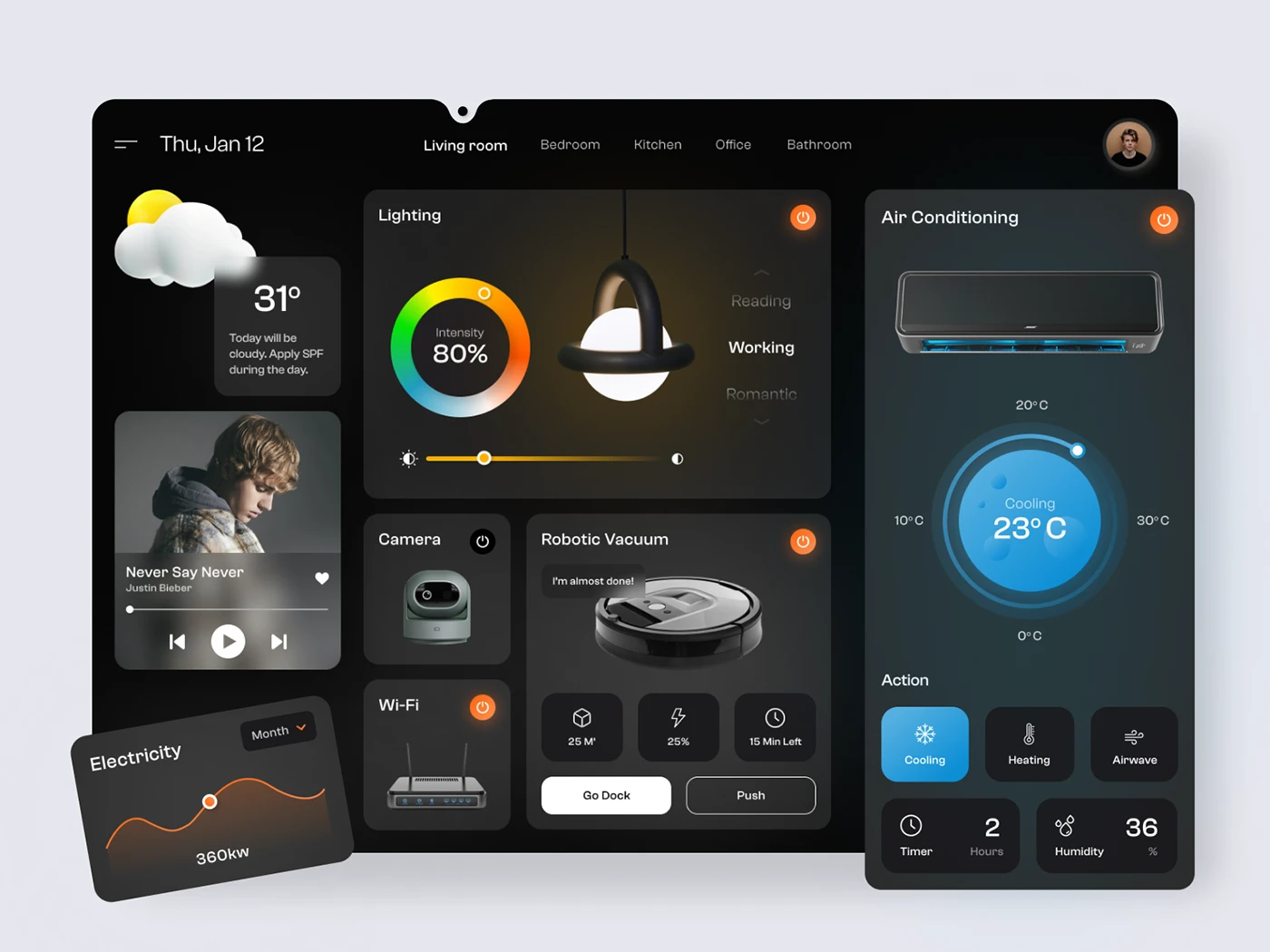
Smart devices have become a part of everyday American life – from smart TVs and watches to AI-powered home systems and connected appliances. But as homes across the U.S. become more automated, users need clear and simple tech guides to safely and efficiently manage this new digital lifestyle.
This article breaks down the latest smart device trends, how they’re shaping American homes, and provides step-by-step guides to help users get the best out of their tech.
Millions of American households now use smart devices daily.
Top ecosystems include:
- Google Home
- Amazon Alexa
- Apple HomeKit
- Samsung SmartThings
- Matter-compatible devices
Matter (a new global standard) allows smart devices from different brands to connect effortlessly.
- Choose a primary system (Google, Apple, Amazon, Samsung).
- Connect all devices to the same Wi-Fi network.
- Link devices inside the app (Home, Alexa, SmartThings).
- Create automation routines (Example: “Turn off lights when I leave”).
- Enable voice control for easier access.
Smart homes make life easier, safer, and more efficient.
Home security is one of the fastest-growing tech categories.
- Video doorbells (Ring, Eufy, Nest)
- Smart locks (Yale, August)
- Smart cameras with motion alerts
- AI-powered home alarms
- Smart window sensors
- Indoor monitoring cameras
- Change all default passwords immediately
- Enable two-factor authentication
- Update device firmware monthly
- Place routers in central locations
- Create a separate Wi-Fi network for IoT devices
- Disable remote access when not needed
Smart security boosts both convenience and safety for families.
Smartwatches are becoming health hubs.
- Blood pressure tracking
- Sleep cycle analysis
- Blood oxygen monitoring
- Fall detection
- AI fitness coaching
- Stress level tracking
- ECG monitoring
Leading brands in the U.S.:
- Apple Watch
- Samsung Galaxy Watch
- Fitbit
- Garmin
- Connect it to your phone via Bluetooth
- Sync health data with Apple Health/Google Fit
- Enable emergency SOS
- Set up daily activity goals
- Turn on fall detection and irregular heartbeat alerts
- Use Do Not Disturb during sleep
Wearables are improving both health awareness and emergency response.
Streaming services and smart entertainment devices are dominating U.S. homes.
- Roku
- Apple TV
- Amazon Fire Stick
- Google Chromecast
- Samsung & LG Smart TVs
- Use Ethernet for stable streaming
- Enable automatic updates
- Install apps only from official stores
- Turn on parental controls
- Adjust picture settings manually for best quality
- Disable ACR (tracking) to protect your privacy
Smart appliances make cooking simple.
- Smart fridges that track inventory
- Smart ovens with recipe presets
- AI coffee machines
- Voice-controlled microwaves
- Smart dishwashers with automatic detectors
- Use voice controls to set timers
- Sync recipes from phone to oven (Samsung, LG models)
- Enable energy-saving modes
- Keep appliances updated via Wi-Fi
Energy-efficient smart devices help reduce utility bills.
- Smart bulbs
- Motion sensors
- Smart thermostats (Nest, Ecobee)
- Smart plugs
- Solar-connected energy monitors
- Set schedules for lights
- Allow the thermostat to auto-adjust
- Turn off unused plugs remotely
- Monitor energy usage via app
- Use occupancy sensors in hallways
Smart energy systems can reduce electricity bills by 10–20%.
- AI-enhanced home robots
- Universal smart home compatibility
- Biometric smart locks
- Smart mirrors
- Predictive maintenance appliances
- Health-focused wearables
- Autonomous home cleaning systems
- 6G-powered smart devices
Homes are becoming fully intelligent ecosystems.
Smart devices are transforming how Americans live – making homes safer, healthier, and more efficient. But to get the most out of these devices, users need simple, reliable tech guides they can follow without confusion.
With the right setup and security practices, smart devices can offer life-changing convenience while protecting your privacy and safety.
Smart living isn’t the future